
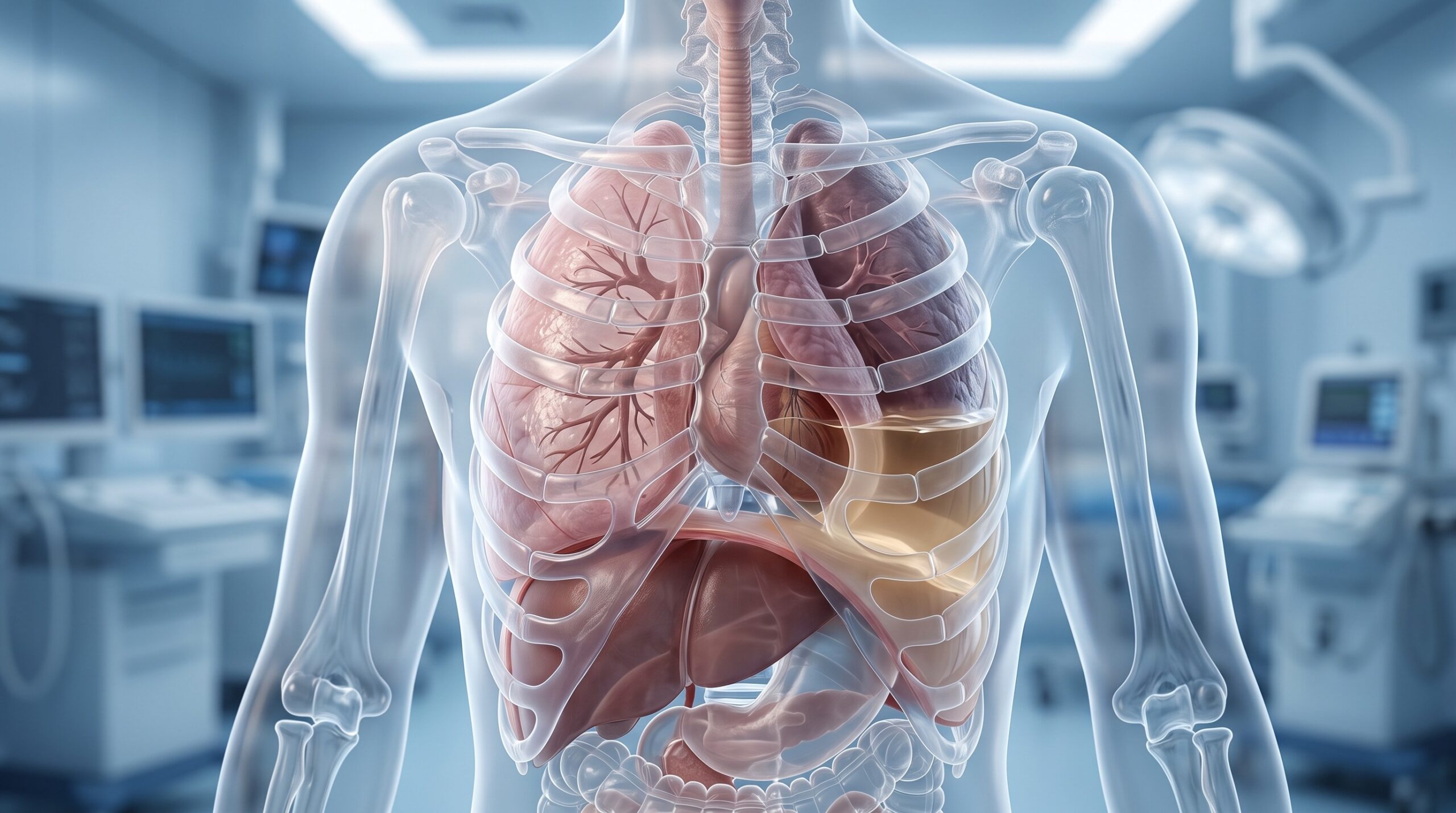
Medical Thoracoscopy is a minimally invasive procedure used to examine the pleural cavity—the space between the lungs and the chest wall. It helps diagnose and treat a wide range of pleural disorders by allowing the pulmonologist to directly visualize the pleura using a specialized thoracoscope. Patients seeking Medical Thoracoscopy in Kandivali can benefit from this advanced procedure for accurate diagnosis and effective management of pleural conditions.
At Pulmocare Polyclinic, Dr. Satyey Tayade performs Medical Thoracoscopy using modern techniques to ensure precise diagnosis, patient safety, and faster recovery. The procedure often eliminates the need for more invasive surgery while enabling timely treatment for various chest and lung conditions.
What is Medical Thoracoscopy?
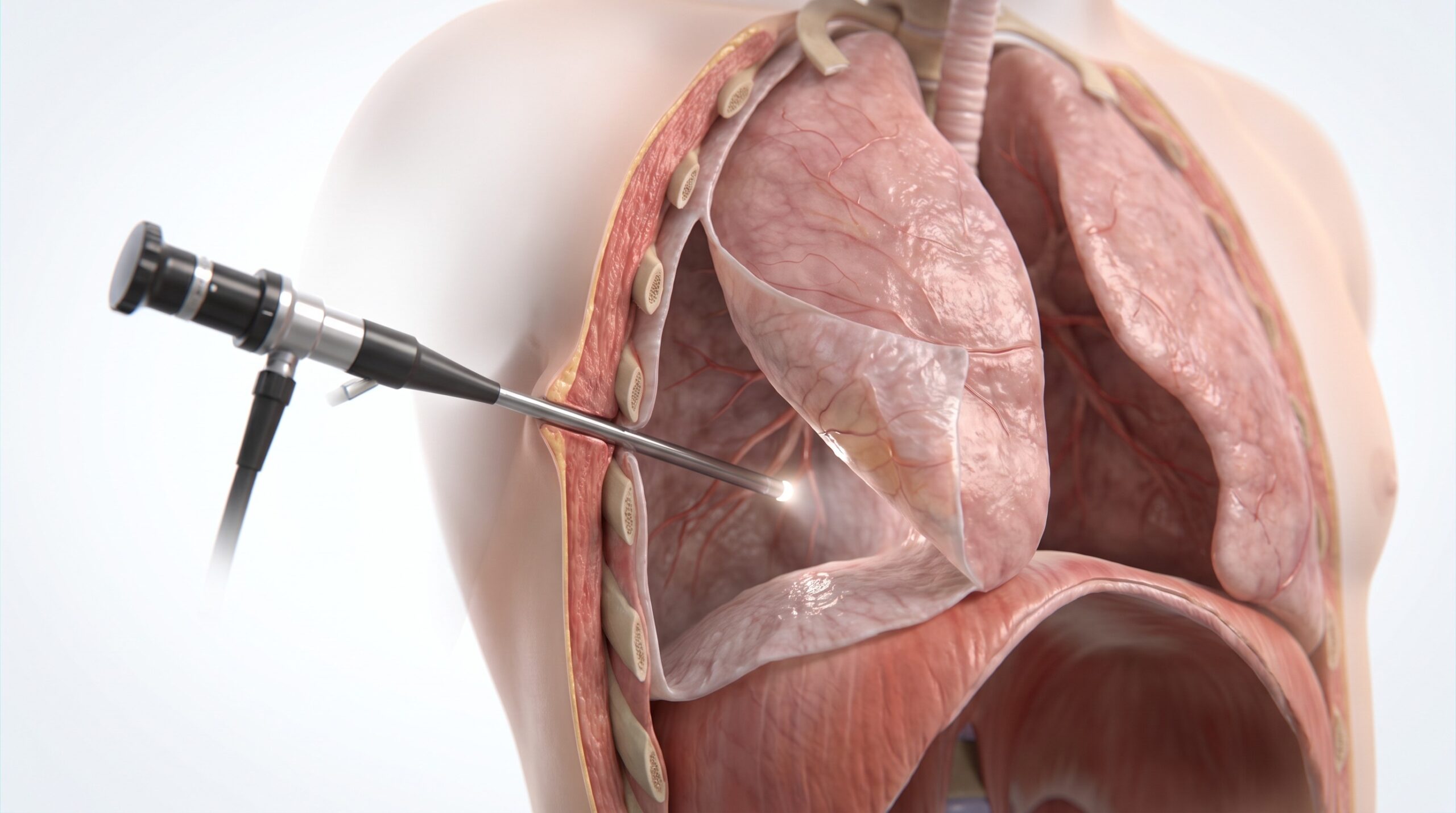
Medical Thoracoscopy is an advanced diagnostic and therapeutic procedure performed through a small incision in the chest wall. A thin thoracoscope with a camera is inserted into the pleural cavity, allowing the doctor to examine the pleura, collect tissue samples, drain pleural fluid, and perform additional treatments when required.
For patients requiring Medical Thoracoscopy in Kandivali, this procedure offers a minimally invasive solution with high diagnostic accuracy and quicker recovery compared to traditional surgical methods.
Why is Medical Thoracoscopy Performed?
Medical Thoracoscopy is recommended when chest imaging alone cannot determine the exact cause of pleural abnormalities. It plays an important role in diagnosing and managing several pleural diseases.
Your pulmonologist may recommend this procedure for:
The procedure is also an effective option for patients requiring comprehensive Pleural Disease Treatment in Malad, especially when an accurate diagnosis is essential before planning further treatment.
Benefits of Medical Thoracoscopy
Medical Thoracoscopy offers several advantages for diagnosing and treating pleural diseases.
How is Medical Thoracoscopy Performed?
Medical Thoracoscopy is usually performed under local anesthesia with conscious sedation.
A small incision is made between the ribs, through which the thoracoscope is introduced into the pleural cavity. The doctor carefully examines the pleural lining, removes excess fluid if necessary, performs Pleural Biopsy in Malad when tissue samples are required, and carries out therapeutic procedures such as pleurodesis if indicated.
The procedure generally takes between 30 and 60 minutes, depending on the underlying condition.
Why Choose Pulmocare Polyclinic?
Pleural Biopsy in Malad: Diagnosis of Pleural Diseases
A Pleural Biopsy in Malad is a diagnostic procedure used to collect a small tissue sample from the pleura, the thin membrane surrounding the lungs. It is recommended when imaging tests, blood investigations, or pleural fluid analysis cannot determine the exact cause of pleural abnormalities. The biopsy sample is examined under a microscope to identify infections, inflammation, tuberculosis, or cancer affecting the pleura.
At Pulmocare Polyclinic, Pleural Biopsy in Malad is often performed during Medical Thoracoscopy, allowing the pulmonologist to directly visualize the pleural cavity and obtain precise tissue samples. This minimally invasive approach improves diagnostic accuracy and helps develop an appropriate treatment plan based on the underlying condition.
How Pleural Biopsy in Malad Helps Diagnose Lung Conditions
A Pleural Biopsy in Malad plays a vital role in identifying various pleural and lung-related diseases at an early stage. By obtaining tissue samples directly from the affected area, the procedure provides valuable information that may not be available through imaging alone.
A pleural biopsy can help diagnose:
The biopsy results enable your pulmonologist to confirm the diagnosis, determine the severity of the disease, and recommend the most suitable treatment plan. Early diagnosis through Pleural Biopsy in Malad can improve treatment outcomes and support effective long-term management of pleural diseases.
Frequently Asked Questions
Is Medical Thoracoscopy painful?
No. The procedure is performed under local anesthesia and conscious sedation, so most patients experience only mild discomfort.
How long does Medical Thoracoscopy take?
The procedure usually takes around 30 to 60 minutes.
When is Pleural Biopsy recommended?
A Pleural Biopsy in Malad is recommended when the cause of pleural thickening, pleural effusion, or suspected pleural cancer cannot be confirmed through imaging or laboratory tests.
Can Medical Thoracoscopy treat pleural diseases?
Yes. Besides diagnosis, it can also help manage recurrent pleural effusion, pneumothorax, and support effective Pleural Disease Treatment in Malad through procedures such as fluid drainage and pleurodesis.